
Seeing Red / Seeing Blue: Dissident-Feminist Methods in Documentary Film
4-5 September · 3-8 PM
·
Anant Art, B-5/3 Safdarjung Enclave, New Delhi
Moving Images is a screening programme by AFA, featuring documentary, experimental and essayistic films on questions that animate our present. Each screening opens into a conversation, with an invited artist, scholar, filmmaker or curator in dialogue with the audience.
Seeing Red / Seeing Blue explores feminist methods of the documentary in India as orientations and frameworks working in consonance and tension with one another. By inviting practitioners from across two generations and distinct historical periods of filmmaking (1980-1990s; and 2020s), the two-day programme initiates intergenerational reflections and honest conversations on the challenges and potentials of telling feminist history in the Global South.
This programme is curated by Arushi Vats.
Cover image: A still from I Live in Behrampada (1993) dir. Madhusree Dutta

Seeing Red / Seeing Blue: Dissident-Feminist Methods of Documentary Filmmaking in India
Solidarity offers a more capacious and radical political model for documentary than empathy, which pivots on singular stories and individual voices, because solidarity, as my frequent collaborator, the filmmaker and prison abolitionist Brett Story puts it, “takes as its prerequisite not just recognition of oneself in another self, but a view, however achieved, onto shared conditions and common cause."
- Pooja Rangan, The Documentary Audit: Listening and the Limits of Accountability (2025)
Seeing Red / Seeing Blue seeks to understand how feminist standpoints shape distinct and plural approaches to the documentary form in India—inflecting reflexivity and dissonance into the genre’s representational claims. Brushing against the daily and ubiquitous structures of caste, patriarchy, state violence, majoritarianism, and neoliberal capitalism, feminist filmmakers have crafted possibilities for autonomous practice, which has translated into filmmaking that eschews the impulse for narratological control and instead catalyses the screen as a site for tracing minor histories, staging dissent, dissolving borders, and crucially, performing remembrance. These practices can also be read as explorations of solidarity as a verb, improvised, (im)perfected and enacted within punctured and precarious terrains.
The commitment to a feminist historiographical reshaping of the archive—that often needs to look elsewhere and find its histories in what is silent, scattered, intimate, inaudible and informal—generates film-texts that trouble the boundaries between fiction, testimony, personal, and the public. The situated and striated nature of feminist documentary filmmaking resembles the often obstructed, interrupted, contradictory but resolutely lived understandings of feminist politics, which Ania Loomba cautions against dismissing as “measures of incomplete radicalism”, and instead reads as the complexity of shaping new subjectivities with and against structures that inhibit (Loomba, 2018). AnaLouise Keating describes these strategies as “multi-layered” and polyvocal, and necessarily dismissive of boundaries of form, genre and addressal, producing texts that situate the autobiographical, political, and cultural in intimate and inextricable relations (Keating, 2022). Contemporary feminist documentary filmmaking contends with the inheritance of gaps, erasures and silences, searching for the voices that have been placed at the margins of the frame; scholar and filmmaker Jyoti Nisha describes this as the “The Oppositional Bahujan Agency” (Nisha, 2022).
Through close looking at sequences, strategies, negotiations and sensory surfaces of each film, we hope to collectively understand feminist methods of the documentary in India as orientations and frameworks working in consonance and tension with one another. By inviting practitioners from across two generations and distinct historical periods of filmmaking (1980-1990s; and 2020s), the programme initiates intergenerational reflections and honest conversations on the challenges and potentials of telling feminist history in the Global South.
DAY 1 - Dissident Pasts · Friday 4 September 2026 · 3-7:15pm
TIME | SESSION | DETAILS |
|---|---|---|
3:00 pm | Opening Remarks | Welcome and Introduction to Dissident Pasts |
3:10 pm | Film Screening (90 min) 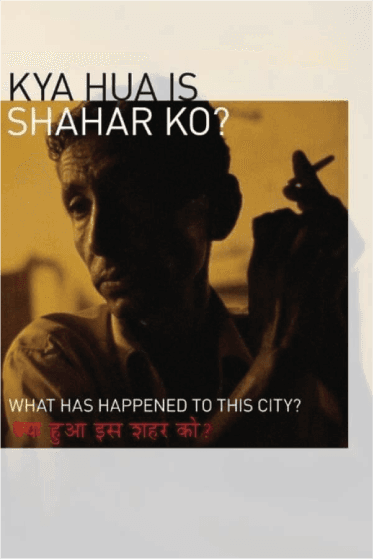 | Kya Hua Is Sheher Ko? (What Has Happened to this City?) (1986) Communal violence between Hindus and Muslims in 1984 forms the starting point for this film, whose complexity lends it immense political force. |
4:45 pm | Tea and Refreshments | |
5:15 pm | Film Screening (46 mins) 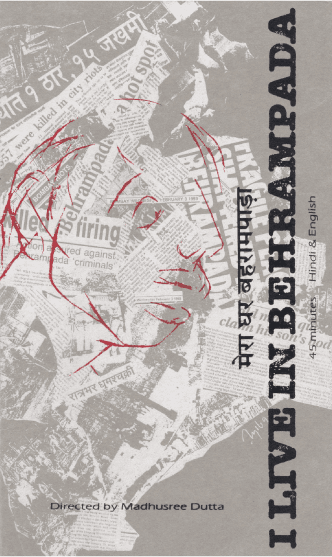 | I Live in Behrampada (1993) The communal riots that reduced Bombay into two distinct communities in Dec '92 and Jan '93 also created an underclass of citizens. The film traces the history of a Muslim ghetto, cast as villain by the majoritarian media and communal forces. |
6:00 pm | Tea and Refreshments | |
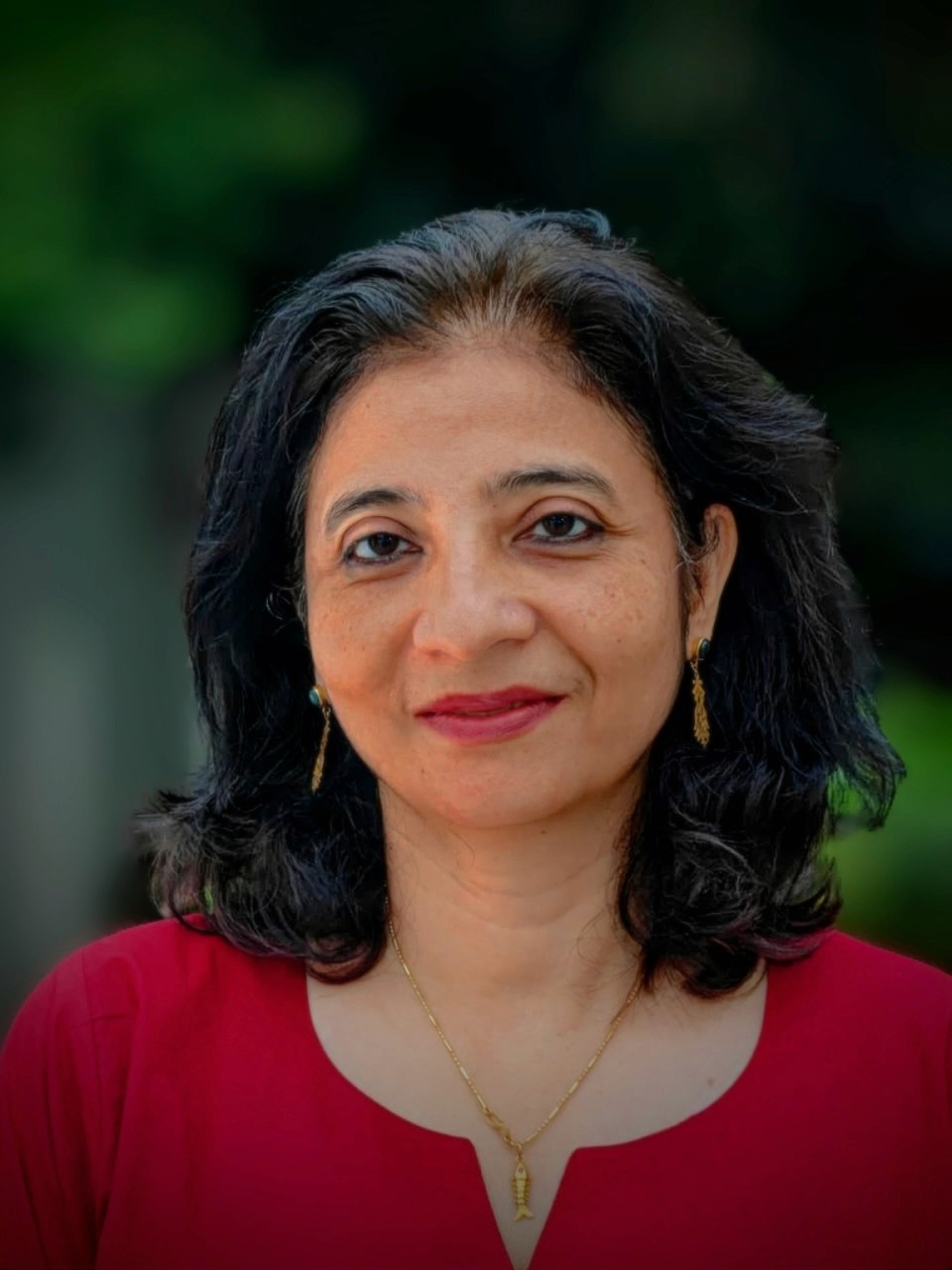
6:20 - 7:10 pm | Panel Discussion | Remarks by discussant Iram Ghufran and conversation with filmmakers |
Post-Screening Conversation with



DAY 2 - Dissident Futures · Saturday 5 September 2026 · 3-8pm
TIME | SESSION | DETAILS |
3:00 pm | Opening Remarks | Welcome and Introduction to Dissident Futures |
3:10 pm | Film Screening (111 mins) 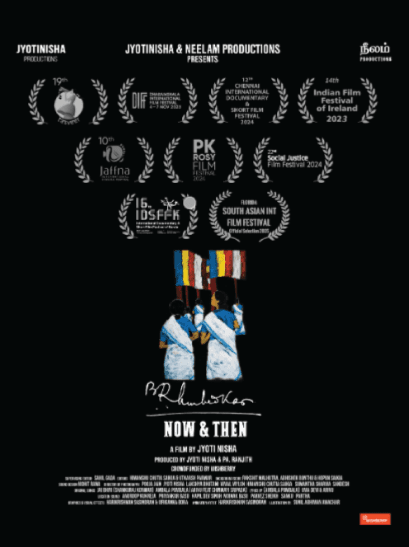 | Dr B R Ambedkar: Now and Then (2023) Through the discerning lens of a Bahujan feminist filmmaker operating within the upper-caste Indian film industry, the film delves deep into critical themes of liberty, equality, fraternity, social justice, exclusion, and marginalised representation. |
5:00 pm | Tea and Refreshments | |
5:30 pm | Film Screening (74 mins) 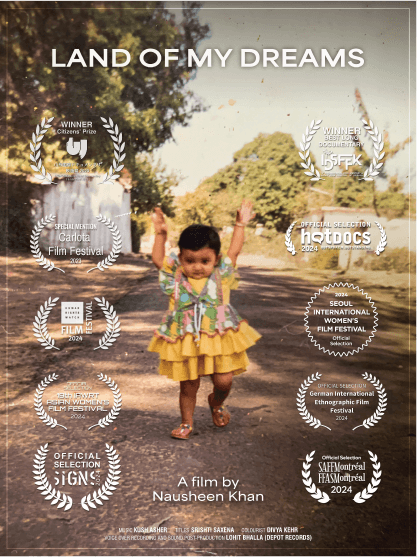 | Land of My Dreams (2023) The film follows the stories of women who sustained a peaceful pro-democracy movement for over a hundred days at Shaheen Bagh, galvanizing resistance across the country. |
6:45 pm | Tea and Refreshments | |
7:00 pm | Panel Discussion | Jyoti Nisha and Nausheen Khan in conversation with Sarover Zaidi |
7:50-8 pm | Closing Remarks | Closing Remarks and Note of Thanks |
Post-Screening Conversation with


About the Curator
Arushi Vats is a doctoral researcher pursuing a PhD in the History of Art, at the University of Cambridge, and an Associate Lecturer at the Cambridge School of Art, Anglia Ruskin University. She is the convenor of the Cambridge South Asian Forum Against Hindutva (Cam-SAFAH) and an initiator-member of the Voices Against Genocide collective in New Delhi. She is the recipient of the Momus - Eyebeam Critical Writing Fellowship 2021 and the Art Scribes Award 2021.She is the co-editor of the volume Imaginable Worlds: Art, Crisis and Global Futures published by University of Chicago Press (2023), and has published extensively in exhibition catalogues, art publications, and literary journals.
Seeing Red / Seeing Blue: Dissident-Feminist Methods of Documentary Filmmaking in India
Solidarity offers a more capacious and radical political model for documentary than empathy, which pivots on singular stories and individual voices, because solidarity, as my frequent collaborator, the filmmaker and prison abolitionist Brett Story puts it, “takes as its prerequisite not just recognition of oneself in another self, but a view, however achieved, onto shared conditions and common cause."
- Pooja Rangan, The Documentary Audit: Listening and the Limits of Accountability (2025)
Seeing Red / Seeing Blue seeks to understand how feminist standpoints shape distinct and plural approaches to the documentary form in India—inflecting reflexivity and dissonance into the genre’s representational claims. Brushing against the daily and ubiquitous structures of caste, patriarchy, state violence, majoritarianism, and neoliberal capitalism, feminist filmmakers have crafted possibilities for autonomous practice, which has translated into filmmaking that eschews the impulse for narratological control and instead catalyses the screen as a site for tracing minor histories, staging dissent, dissolving borders, and crucially, performing remembrance. These practices can also be read as explorations of solidarity as a verb, improvised, (im)perfected and enacted within punctured and precarious terrains.
The commitment to a feminist historiographical reshaping of the archive—that often needs to look elsewhere and find its histories in what is silent, scattered, intimate, inaudible and informal—generates film-texts that trouble the boundaries between fiction, testimony, personal, and the public. The situated and striated nature of feminist documentary filmmaking resembles the often obstructed, interrupted, contradictory but resolutely lived understandings of feminist politics, which Ania Loomba cautions against dismissing as “measures of incomplete radicalism”, and instead reads as the complexity of shaping new subjectivities with and against structures that inhibit (Loomba, 2018). AnaLouise Keating describes these strategies as “multi-layered” and polyvocal, and necessarily dismissive of boundaries of form, genre and addressal, producing texts that situate the autobiographical, political, and cultural in intimate and inextricable relations (Keating, 2022). Contemporary feminist documentary filmmaking contends with the inheritance of gaps, erasures and silences, searching for the voices that have been placed at the margins of the frame; scholar and filmmaker Jyoti Nisha describes this as the “The Oppositional Bahujan Agency” (Nisha, 2022).
Through close looking at sequences, strategies, negotiations and sensory surfaces of each film, we hope to collectively understand feminist methods of the documentary in India as orientations and frameworks working in consonance and tension with one another. By inviting practitioners from across two generations and distinct historical periods of filmmaking (1980-1990s; and 2020s), the programme initiates intergenerational reflections and honest conversations on the challenges and potentials of telling feminist history in the Global South.
DAY 1 - Dissident Pasts · Friday 4 September 2026 · 3-7:15pm
TIME | SESSION | DETAILS |
|---|---|---|
3:00 pm | Opening Remarks | Welcome and Introduction to Dissident Pasts |
3:10 pm | Film Screening (90 min) | Kya Hua Is Sheher Ko? (What Has Happened to this City?) (1986) Communal violence between Hindus and Muslims in 1984 forms the starting point for this film, whose complexity lends it immense political force. |
4:45 pm | Tea and Refreshments | |
5:15 pm | Film Screening (46 mins) | I Live in Behrampada (1993) The communal riots that reduced Bombay into two distinct communities in Dec '92 and Jan '93 also created an underclass of citizens. The film traces the history of a Muslim ghetto, cast as villain by the majoritarian media and communal forces. |
6:00 pm | Tea and Refreshments | |
6:20 - 7:10 pm | Panel Discussion | Remarks by discussant Iram Ghufran and conversation with filmmakers |
Post-Screening Conversation with
DAY 2 - Dissident Futures · Saturday 5 September 2026 · 3-8pm
TIME | SESSION | DETAILS |
3:00 pm | Opening Remarks | Welcome and Introduction to Dissident Futures |
3:10 pm | Film Screening (111 mins) | Dr B R Ambedkar: Now and Then (2023) Through the discerning lens of a Bahujan feminist filmmaker operating within the upper-caste Indian film industry, the film delves deep into critical themes of liberty, equality, fraternity, social justice, exclusion, and marginalised representation. |
5:00 pm | Tea and Refreshments | |
5:30 pm | Film Screening (74 mins) | Land of My Dreams (2023) The film follows the stories of women who sustained a peaceful pro-democracy movement for over a hundred days at Shaheen Bagh, galvanizing resistance across the country. |
6:45 pm | Tea and Refreshments | |
7:00 pm | Panel Discussion | Jyoti Nisha and Nausheen Khan in conversation with Sarover Zaidi |
7:50-8 pm | Closing Remarks | Closing Remarks and Note of Thanks |
Post-Screening Conversation with
About the Curator
Arushi Vats is a doctoral researcher pursuing a PhD in the History of Art, at the University of Cambridge, and an Associate Lecturer at the Cambridge School of Art, Anglia Ruskin University. She is the convenor of the Cambridge South Asian Forum Against Hindutva (Cam-SAFAH) and an initiator-member of the Voices Against Genocide collective in New Delhi. She is the recipient of the Momus - Eyebeam Critical Writing Fellowship 2021 and the Art Scribes Award 2021.She is the co-editor of the volume Imaginable Worlds: Art, Crisis and Global Futures published by University of Chicago Press (2023), and has published extensively in exhibition catalogues, art publications, and literary journals.
AFA FILMS
Seeing Red / Seeing Blue: Dissident-Feminist Methods in Documentary Film
A two-day curated film programme bringing together two generations of filmmakers (1980s–90s and 2020s) exploring feminist filmmaking history in India.

