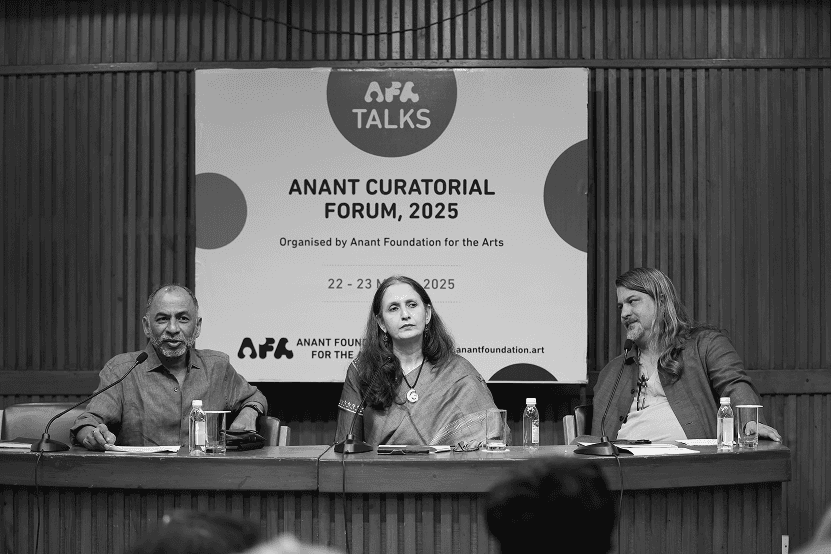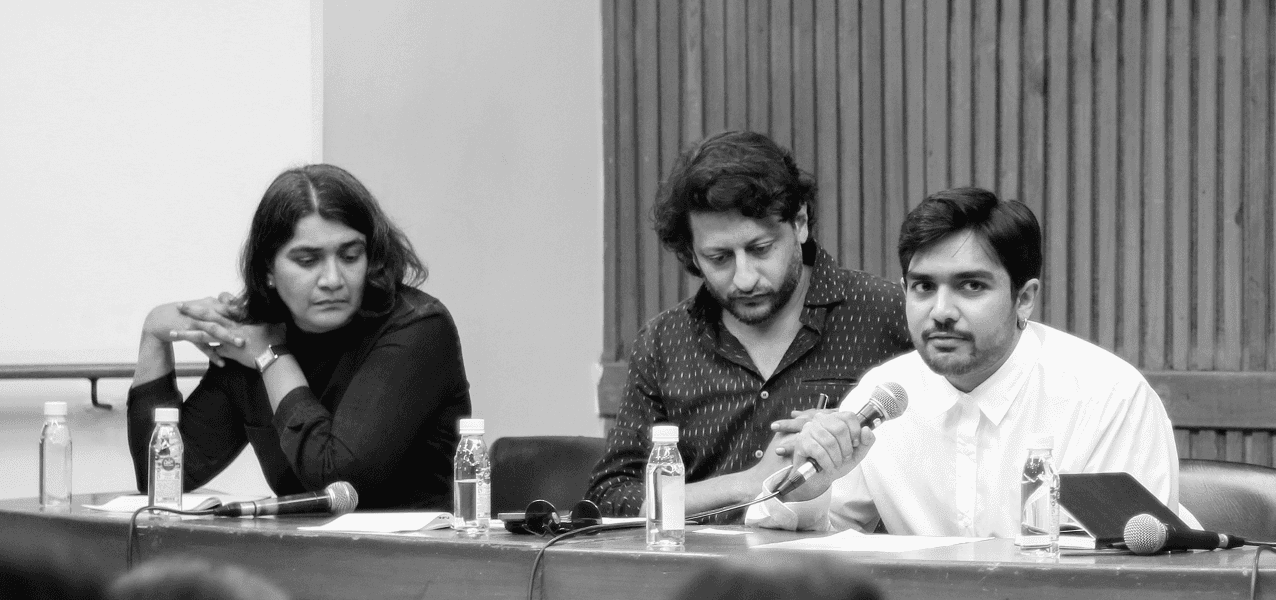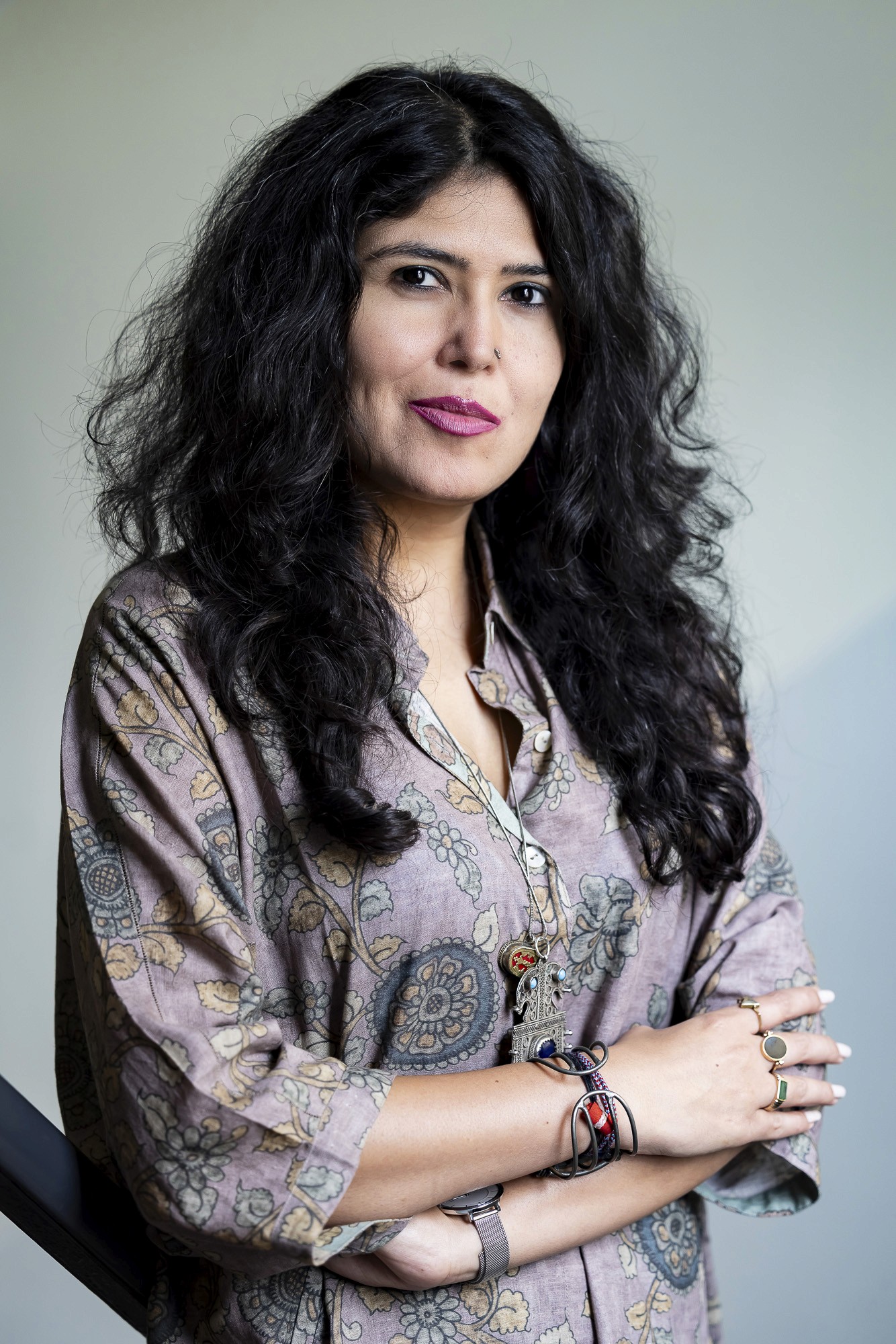


The Anant Curatorial Forum is a space dedicated to curatorial practice, inviting the experiences and perspectives of practitioners engaged in dynamic, critical and meaningful explorations within the arts.
As the curatorial role extends its relevance beyond the arts into allied fields and disciplines, the Forum asks what timely re-evaluation looks like in practice. With a particular attentiveness to the South Asian context, each edition brings together voices from across the region and beyond to examine the questions shaping contemporary practice today.

Edition Overview
The third edition of the Anant Curatorial Forum, held on 21 and 22 March 2026 at Anant Art, New Delhi, brought together practitioners from across the globe for two days of concentrated conversation. Six panels examined some of the most pressing questions in contemporary curatorial practice — sensory and expressive interventions, the shifting cartographies of biennale formations, the ethics of curating, craft and material culture, decolonial strategies, and indigenous pluralities.
06 Panels |
|---|
26 Practitioners |
DAY 1 · PANEL 1
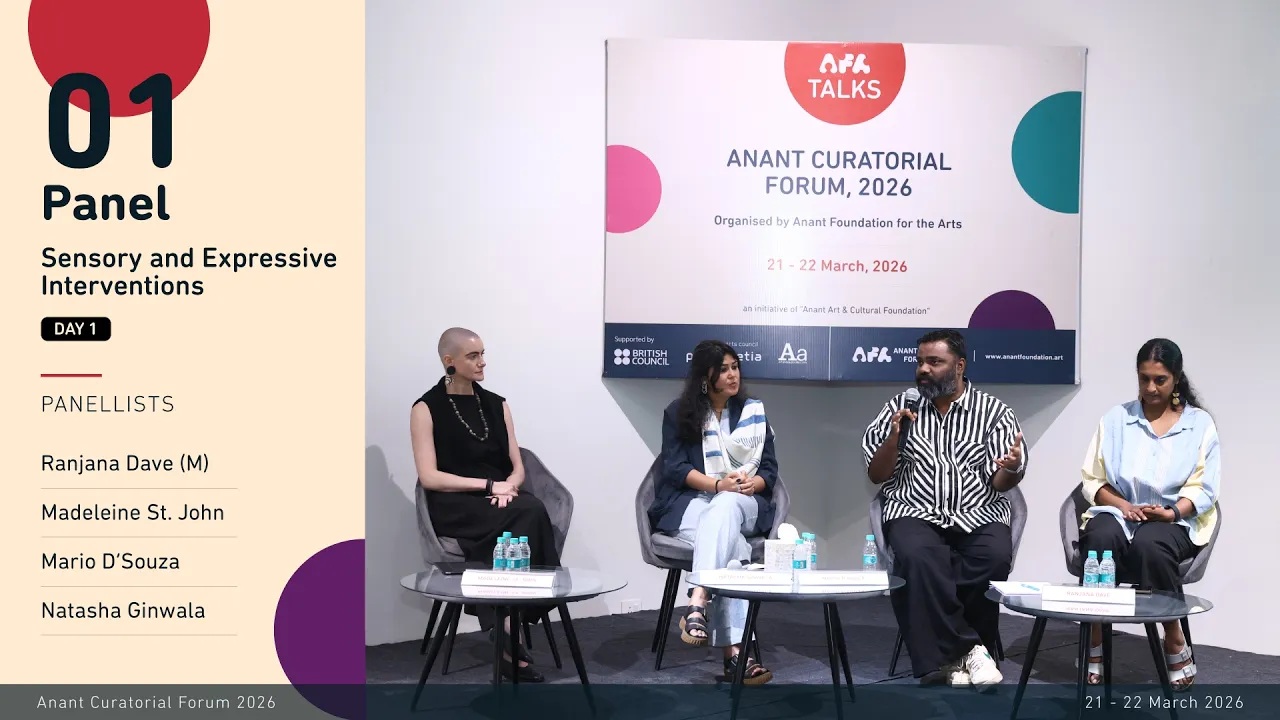
Sensory and Expressive Interventions
What happens when a biennale or festival becomes an organism, shedding its temporal and material constraints as ‘event’? How does the exhibition as a creative and institutional formation hold embodied experience, functioning rather like a score? This panel discussed how sensorial, expressive and embodied possibilities manifest in exhibition making — examining how technologies of poetry and sound find their way into the curatorial matrix as a way of making and questioning.
DAY 1 · PANEL 2
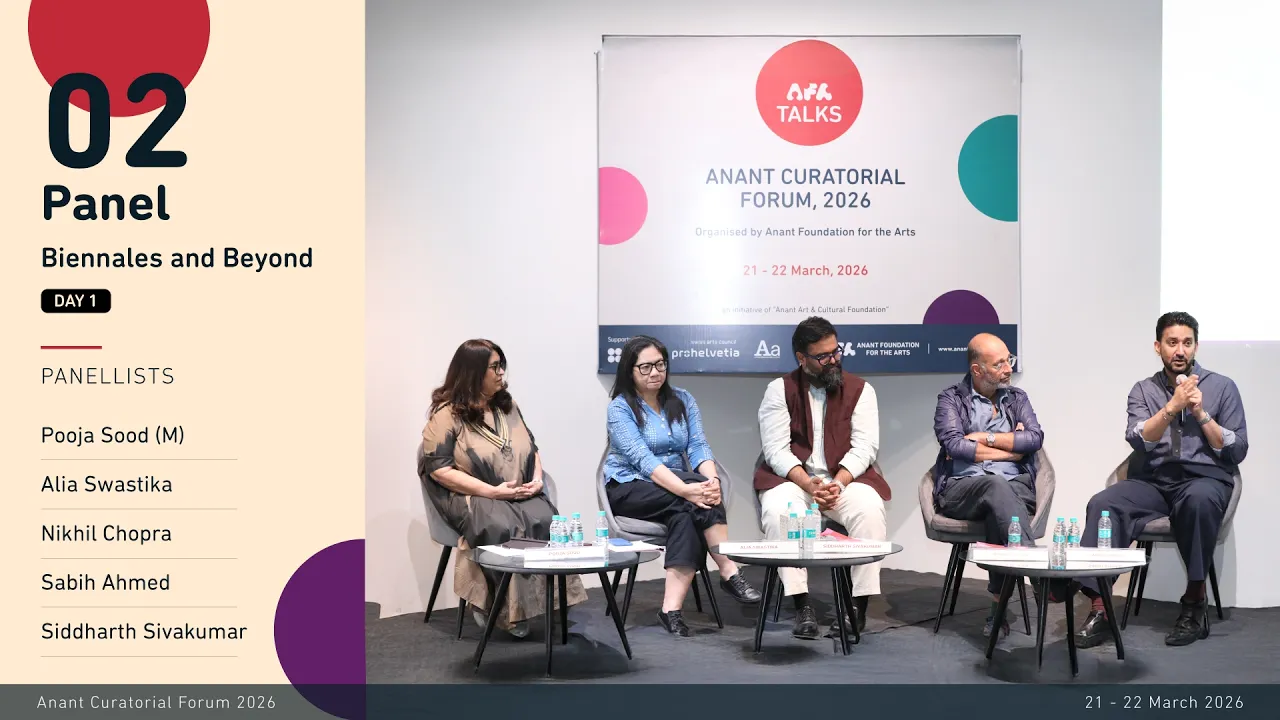
Biennales and Beyond
Over the past three decades, the biennale has become a key format through which contemporary art circulates globally. While it originated in Europe, some of its most significant transformations are taking place in the Global South. This panel unpacked, through specific case studies and differing vantage points, the changing cartographies of biennales in our region — asking whether one continues to think of biennales within hegemonic frameworks, or whether more pertinent, even urgent, alternative configurations exist.


DAY 1 · PANEL 3
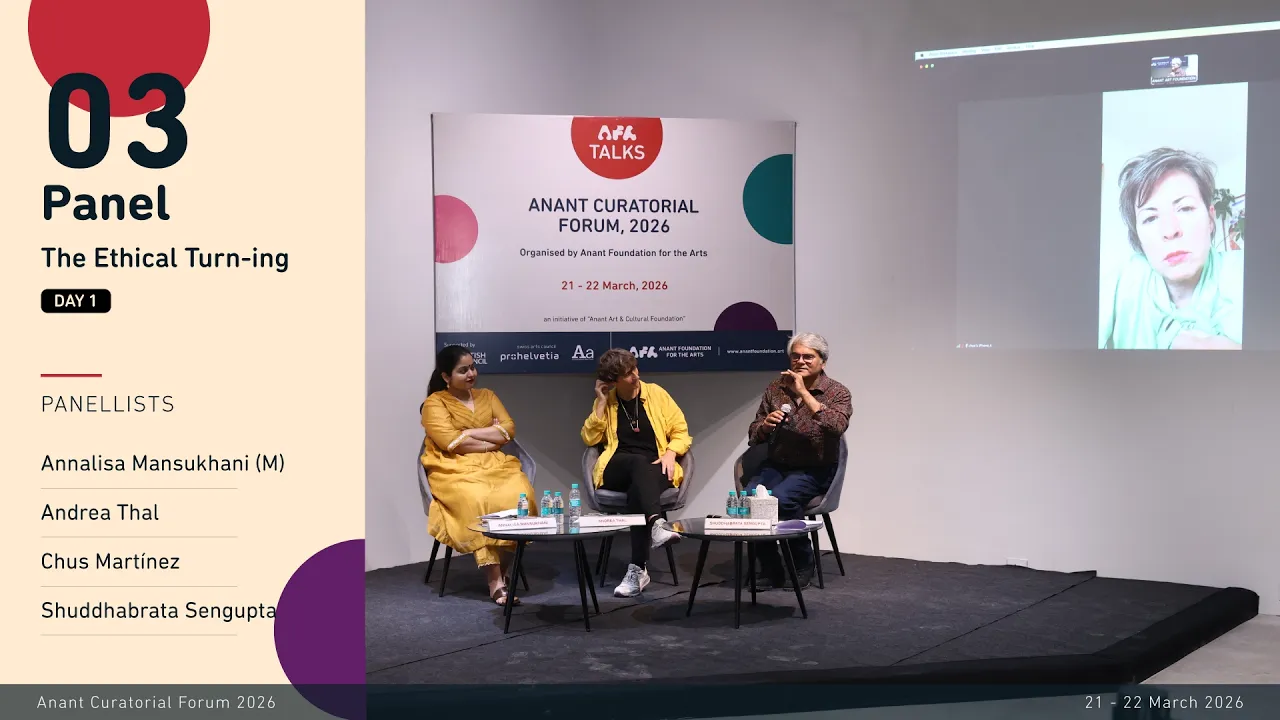
The Ethical Turn-ing
The ethical turn in curatorial discourse has been frequently invoked as an orientation that foregrounds responsibility, testimony and moral positioning within artistic and institutional practices. Instead of reading this turn as a settled paradigm, this panel approached it as a continuous movement — a series of fluctuations allowing us to lean into the ongoing negotiation between the contexts and frameworks through which art circulates. The panel examined how ethics enters curatorial practice as operation, pedagogy, performance and governance, and how we might stage the frictions between ethics and aesthetics rather than simply resolve their tensions.


DAY 2 · PANEL 1
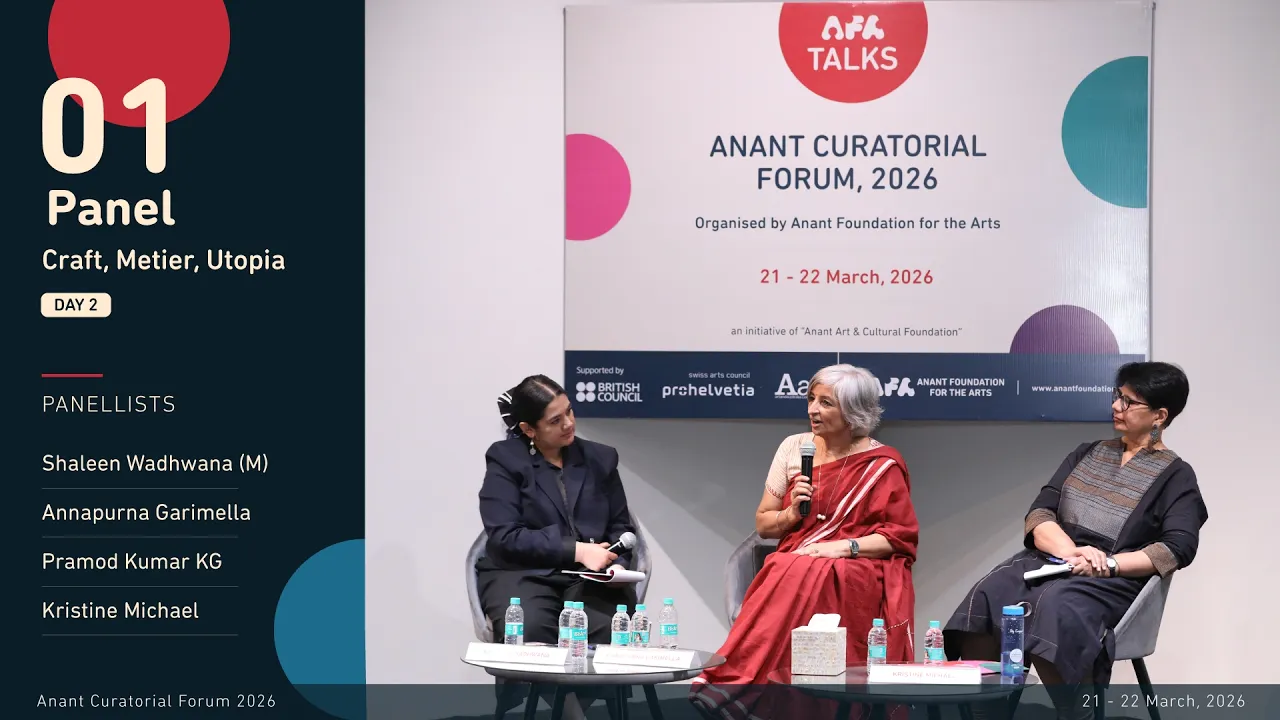
Craft, Métier, Utopia
This panel examined the tension between craft as a lived practice and as a curated object — questioning whether curatorial discourse fetishises artefacts while neglecting the social systems that produced them. It unpacked what it would mean to present craft not only as object but as a social model to imagine equitable futures through structures of work, collaboration, and shared responsibility, asking what lessons might be learnt through the ‘métier of curatorship’.


DAY 2 · PANEL 2
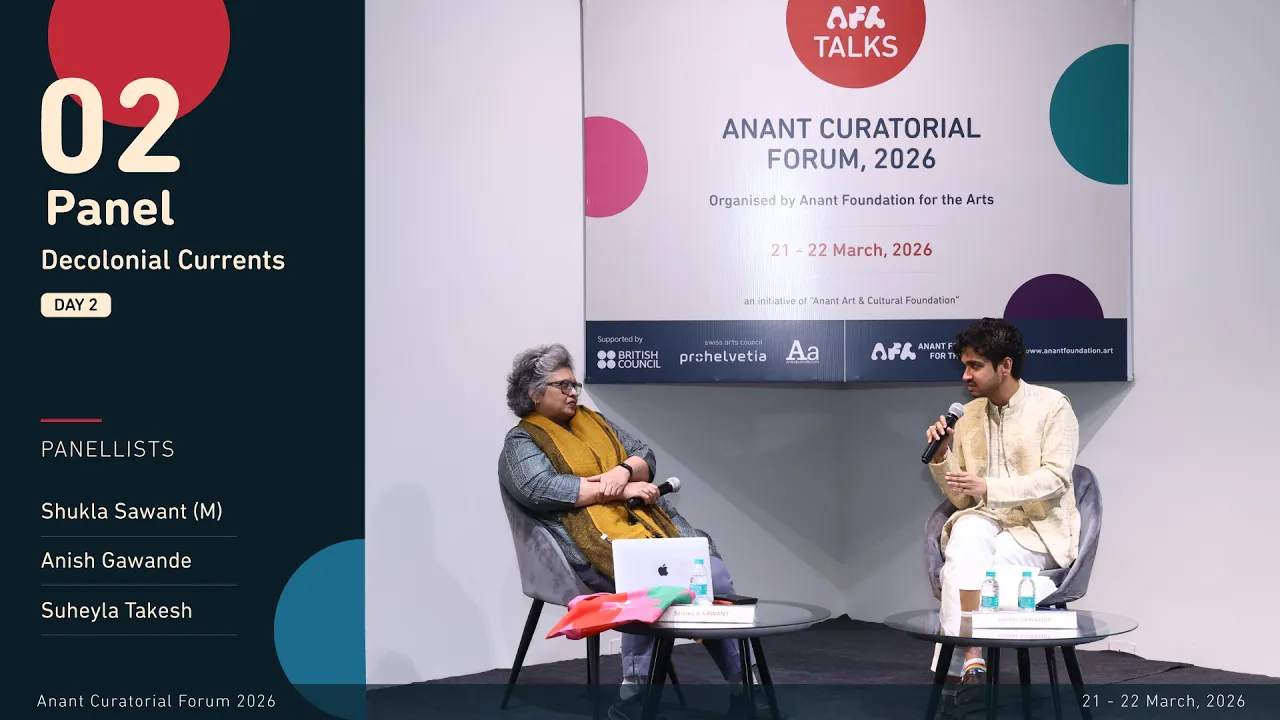
Decolonial Currents
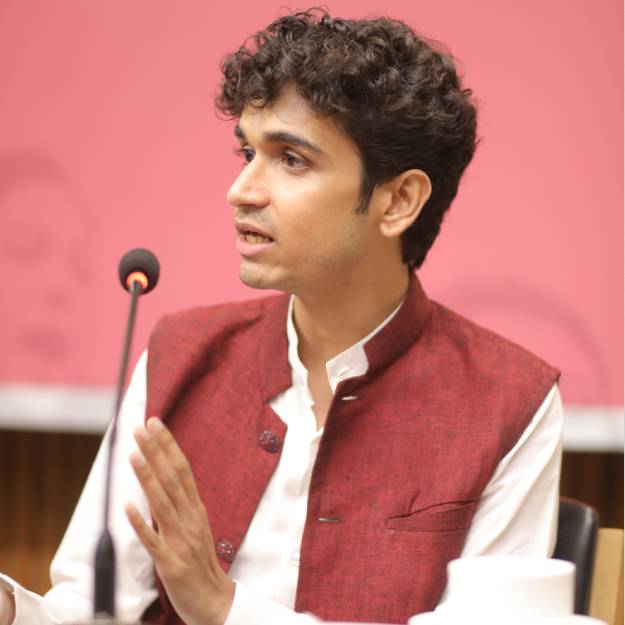
In recent years, vigorous debates have taken place in art history and curatorial studies to define the decolonial without any clear answers. Today, as we reckon with forces of de-democratising power, militarisation and authoritarian oligarchic structures — where increasingly the infrastructure of art and exhibition-making is controlled by the same constructs of dominance — what forms of curatorial strategies can be developed to dismantle the misuse of power? This panel discussed how practitioners navigate the fraught terrain of today’s curatorial possibilities, steering along ‘decolonial currents’: invisible flows that can redirect our perceptions of the world.


DAY 2 · PANEL 3
Indigenous Pluralities
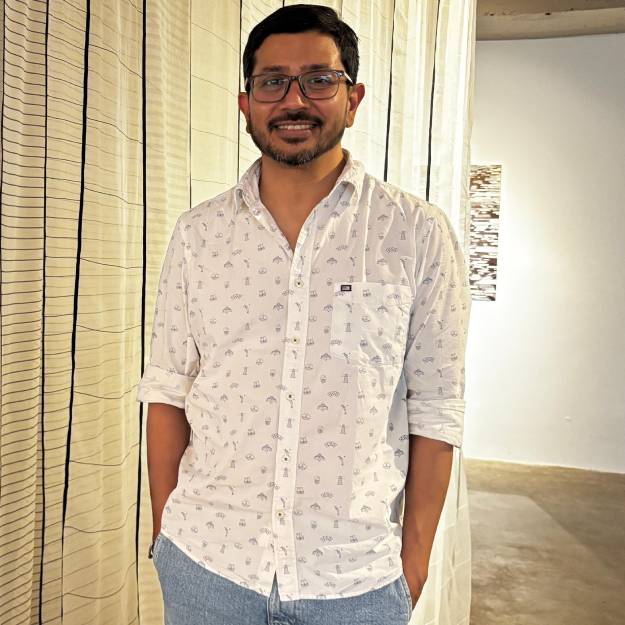
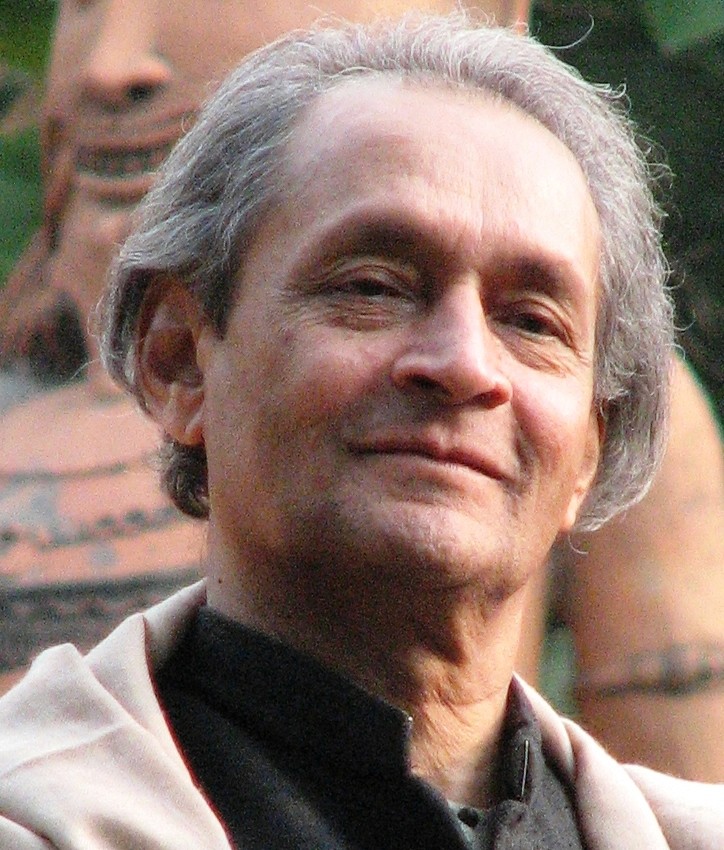
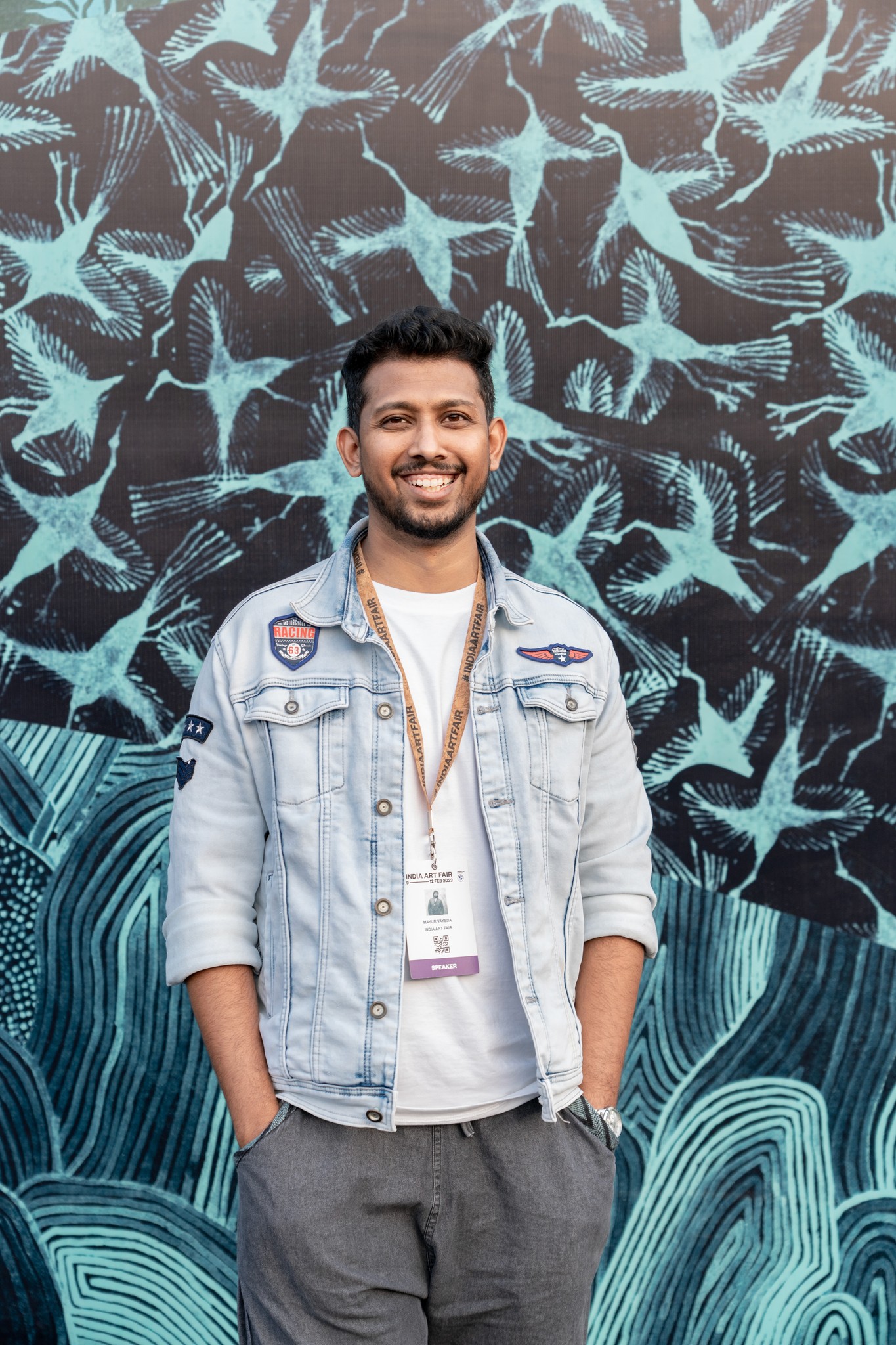
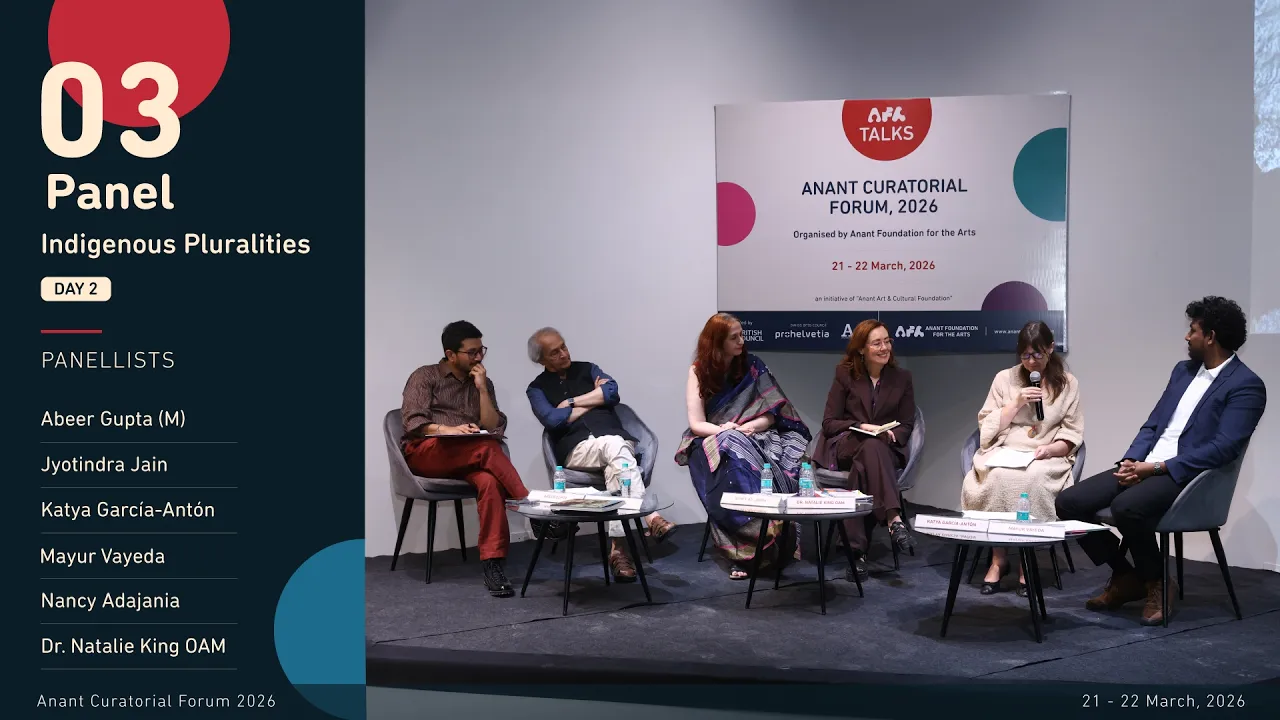
A range of curatorial practices drawn from the interaction with dynamic indigenous cultures became a site to unravel questions of agency, representation and control. Through prolonged engagements with communities from northern Europe, Australia and the Indian subcontinent, panellists navigated the role of class and gender, the construction of tradition and heritage, and the commodification of artefacts within current modes of consumption. The panel anticipated a nuanced discussion around the imagination of indigeneity as a plural and heterogeneous condition, at the intersection of inherited systems of knowledge and contemporary life-worlds, entangled with histories of colonialism and modernity.



SPECIAL EVENT : BOOK LAUNCH
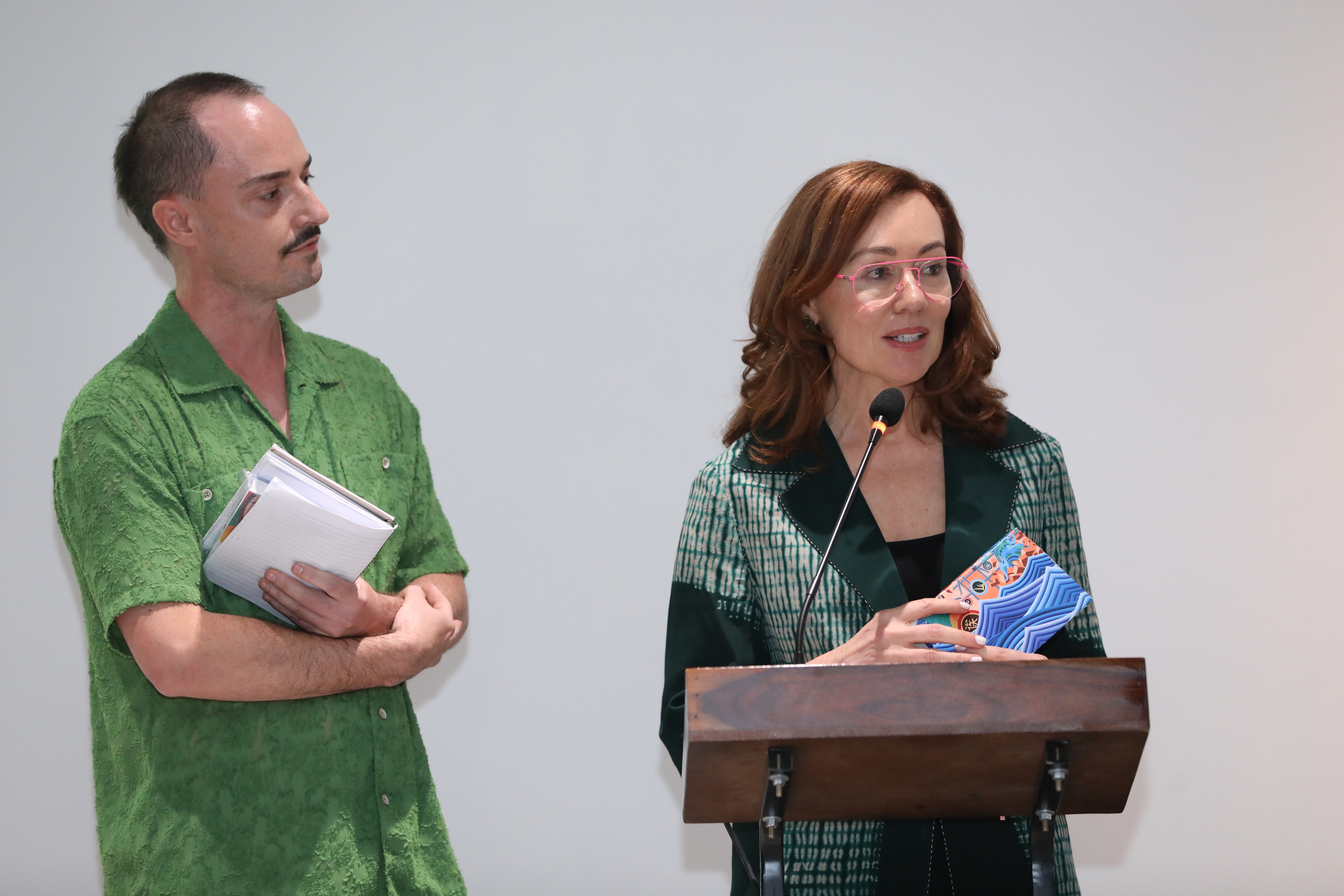
Art + Australia: “Every Heart Sings” edited by Dr. Natalie King OAM
Bringing together commissioned essays, interviews, and dispatches from the Himalayas and the Global South, the issue explores togetherness, interspecies assemblies, coexistence, kinship, and care. Contributors include Nikhil Chopra, Meera Menezes, Manjiri Dube, Prabhakar Kamble, Karma Ura, and many others — a chorus of voices asking how we might live, make, and think together.
Partners
British Council
Partner
Pro Helvetica - Swiss Arts Council
Partner

Art and Australia
Partner
Edition Overview
The third edition of the Anant Curatorial Forum, held on 21 and 22 March 2026 at Anant Art, New Delhi, brought together practitioners from across the globe for two days of concentrated conversation. Six panels examined some of the most pressing questions in contemporary curatorial practice — sensory and expressive interventions, the shifting cartographies of biennale formations, the ethics of curating, craft and material culture, decolonial strategies, and indigenous pluralities.
06 Panels |
|---|
26 Practitioners |
DAY 1 · PANEL 1
Sensory and Expressive Interventions
What happens when a biennale or festival becomes an organism, shedding its temporal and material constraints as ‘event’? How does the exhibition as a creative and institutional formation hold embodied experience, functioning rather like a score? This panel discussed how sensorial, expressive and embodied possibilities manifest in exhibition making — examining how technologies of poetry and sound find their way into the curatorial matrix as a way of making and questioning.
DAY 1 · PANEL 2
Biennales and Beyond
Over the past three decades, the biennale has become a key format through which contemporary art circulates globally. While it originated in Europe, some of its most significant transformations are taking place in the Global South. This panel unpacked, through specific case studies and differing vantage points, the changing cartographies of biennales in our region — asking whether one continues to think of biennales within hegemonic frameworks, or whether more pertinent, even urgent, alternative configurations exist.
DAY 1 · PANEL 3
The Ethical Turn-ing
The ethical turn in curatorial discourse has been frequently invoked as an orientation that foregrounds responsibility, testimony and moral positioning within artistic and institutional practices. Instead of reading this turn as a settled paradigm, this panel approached it as a continuous movement — a series of fluctuations allowing us to lean into the ongoing negotiation between the contexts and frameworks through which art circulates. The panel examined how ethics enters curatorial practice as operation, pedagogy, performance and governance, and how we might stage the frictions between ethics and aesthetics rather than simply resolve their tensions.
DAY 2 · PANEL 1
Craft, Métier, Utopia
This panel examined the tension between craft as a lived practice and as a curated object — questioning whether curatorial discourse fetishises artefacts while neglecting the social systems that produced them. It unpacked what it would mean to present craft not only as object but as a social model to imagine equitable futures through structures of work, collaboration, and shared responsibility, asking what lessons might be learnt through the ‘métier of curatorship’.
DAY 2 · PANEL 2
Decolonial Currents
In recent years, vigorous debates have taken place in art history and curatorial studies to define the decolonial without any clear answers. Today, as we reckon with forces of de-democratising power, militarisation and authoritarian oligarchic structures — where increasingly the infrastructure of art and exhibition-making is controlled by the same constructs of dominance — what forms of curatorial strategies can be developed to dismantle the misuse of power? This panel discussed how practitioners navigate the fraught terrain of today’s curatorial possibilities, steering along ‘decolonial currents’: invisible flows that can redirect our perceptions of the world.
DAY 2 · PANEL 3
Indigenous Pluralities
A range of curatorial practices drawn from the interaction with dynamic indigenous cultures became a site to unravel questions of agency, representation and control. Through prolonged engagements with communities from northern Europe, Australia and the Indian subcontinent, panellists navigated the role of class and gender, the construction of tradition and heritage, and the commodification of artefacts within current modes of consumption. The panel anticipated a nuanced discussion around the imagination of indigeneity as a plural and heterogeneous condition, at the intersection of inherited systems of knowledge and contemporary life-worlds, entangled with histories of colonialism and modernity.
SPECIAL EVENT : BOOK LAUNCH
Art + Australia: “Every Heart Sings” edited by Dr. Natalie King OAM
Bringing together commissioned essays, interviews, and dispatches from the Himalayas and the Global South, the issue explores togetherness, interspecies assemblies, coexistence, kinship, and care. Contributors include Nikhil Chopra, Meera Menezes, Manjiri Dube, Prabhakar Kamble, Karma Ura, and many others — a chorus of voices asking how we might live, make, and think together.
Partners
British Council
Partner
Pro Helvetica - Swiss Arts Council
Partner
Art and Australia
Partner